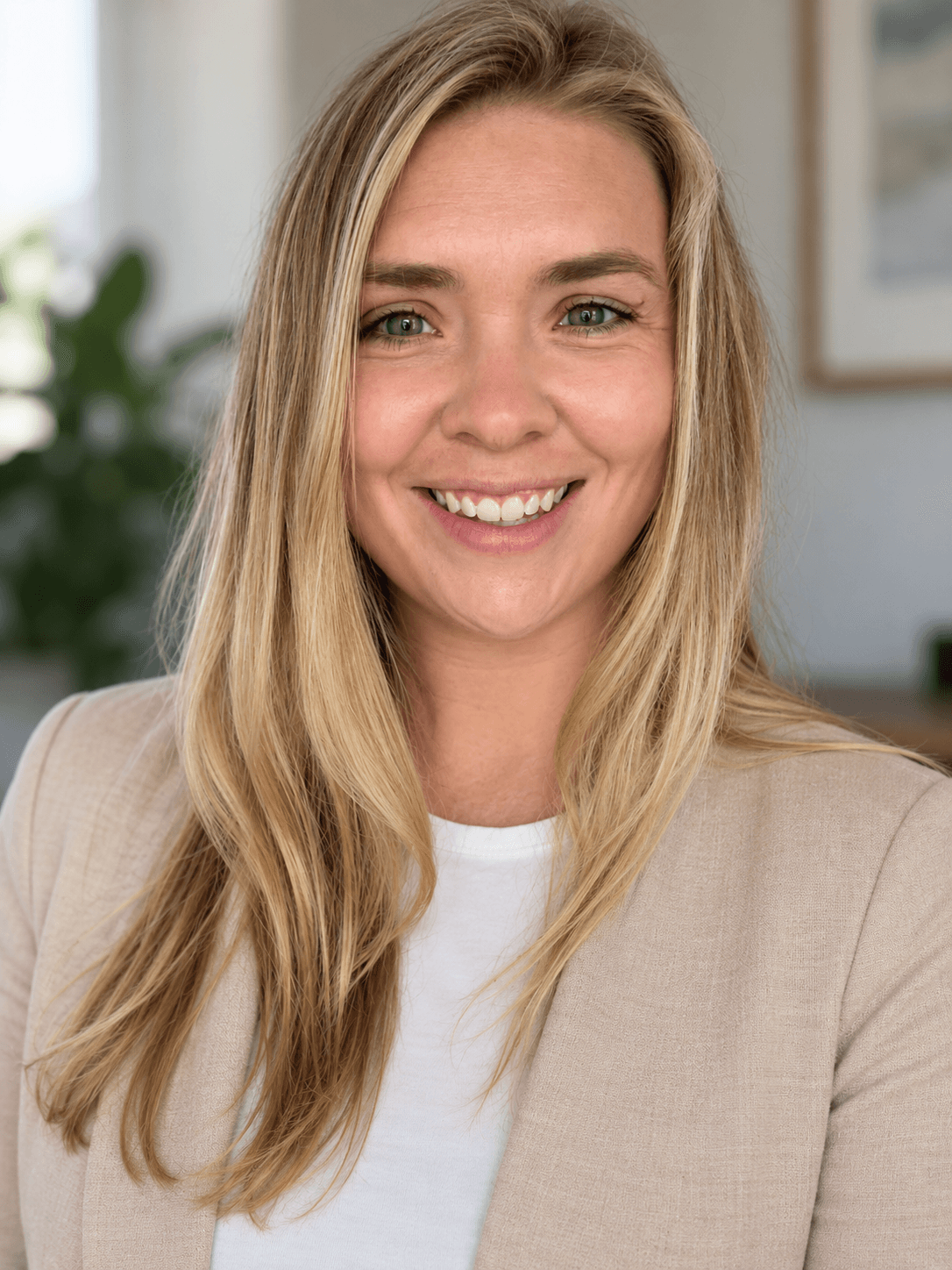
Hi, I’m Alex Ryan, LICSW. I am a licensed therapist with over a decade of experience and I am deeply investing in helping children, teens, and adults overcome anxiety, trauma, complex-trauma, social anxiety, panic attacks and the overwhelming stress that can leave you feeling stuck in survival mode.
If you’ve been feeling emotionally exhausted, constantly on edge, overwhelmed by relationships or physical manifestations of anxiety, parenting demands, or the lasting impact of difficult experiences, you’re not alone.
My goal is to provide a safe, supportive space where we can better understand what’s contributing to your struggles to get to the root cause of them, while building practical tools to help you feel calmer, more confident, and more like yourself again.
I have seen that healing happens through a trusting therapeutic relationship where you feel genuinely heard, supported, and empowered. I draw from evidence-based approaches and advanced trauma therapy modalities including Cognitive Behavioral Therapy (CBT), Trauma-Focused CBT (TF-CBT), Motivational Interviewing, and Solution-Focused Therapy to tailor treatment to your specific needs. Together, we’ll explore patterns that may no longer be serving you, build effective coping skills, and help you reconnect with your strengths and resilience to reduce your distress (physical and emotional).
While our past shapes us, it doesn’t have to define our future. Whether you’re navigating anxiety, recovering from childhood or adult trauma, struggling with perfectionism or people-pleasing, adjusting to a major life transition, or simply feeling disconnected from yourself, I would be honored to support you on your healing journey. I am hopeful that you’ll leave each session feeling understood, empowered, and confident in your ability to move forward with greater peace and self-compassion.
Outside of my practice, I enjoy spending time outdoors with my family and child. We love to swim, try out new parks on the north shore and cook together!
Avoidance can bring quick relief, which makes it tempting to repeat. Over time, it can also keep you from learning that you can cope with a feared situation and make your world feel smaller. Therapy can help you understand this cycle and take manageable steps toward activities you value. You and Alex can choose goals together and review what you learn along the way.
Therapy can help you notice when problem-solving turns into repeated “what if” thinking. CBT may involve examining predictions, distinguishing a possibility from a probability, and responding differently to uncertainty. You can also practice reducing habits such as repeated checking or reassurance-seeking when they maintain worry. The aim is to make decisions and live your life without needing complete certainty first.
Yes. CBT can help you explore fears of judgment, reduce harsh interpretations of social interactions, and practice approaching situations you have been avoiding. Small steps might include joining a conversation or sharing an opinion. Confidence often develops through experience rather than waiting for anxiety to disappear. Alex can help you choose practice that connects with your goals and everyday life.
Exposure therapy involves approaching feared but reasonably safe situations in a planned way to develop new learning and reduce avoidance. You collaborate with your therapist on the steps, pace, and purpose; you should not be surprised or coerced. Some anxiety is expected, and you do not have to feel completely calm before beginning. Preparation and regular discussion help keep the work challenging and manageable.
Cognitive Behavioral Therapy (CBT) helps you treat an anxious thought as a prediction you can examine rather than an instruction you must follow. You can look at the evidence, recognize thinking patterns, and test expectations through behavior. For example, you might practice a situation you fear and compare what happened with what you predicted. CBT combines thoughtful reflection with practical experience.
DBT skills can help you notice rising emotion, tolerate distress without making the situation worse, and communicate your needs more effectively. Examples include pausing before acting, grounding in the present, and planning a response after the intensity settles. Skills can complement work on anxiety and trauma. Ask Alex which DBT-informed tools fit your treatment plan; skills-based work is different from a comprehensive DBT program.
A connection may be worth exploring if certain reminders trigger strong fear, you avoid reminders of an event, or you feel unsafe despite knowing you are currently safe. Anxiety can also have other causes, and these signs alone do not establish PTSD. A trauma-informed assessment can explore your history, present symptoms, and patterns without requiring you to tell everything at once.
Look for a licensed therapist with relevant trauma training and experience working with concerns like yours. Ask how they assess your needs, choose treatments, prepare for difficult work, and monitor progress. A good fit also includes respect for your culture, boundaries, and choices. You should feel able to ask questions, discuss discomfort, and collaborate on the pace and goals of therapy.
Trauma-Focused Cognitive Behavioral Therapy (TF-CBT) is an evidence-based treatment developed for children and adolescents affected by trauma, usually with participation from a supportive caregiver. It combines education, coping skills, work with trauma-related thoughts and memories, and support for safety and communication. Adults may benefit from other trauma-focused CBT approaches. Ask Alex which approach fits your age, needs, and treatment goals.
Yes. Anxiety and trauma symptoms can overlap, so treatment can address both within one coordinated plan. You might start with understanding triggers and building skills, then work on avoidance, trauma-related beliefs, or memories as appropriate. The sequence depends on your needs and preferences. Alex can help you review progress and adjust the plan for in-person therapy in Topsfield or telehealth in Massachusetts.