• 239 Boston Street, Topsfield, Massachusetts 01983
  • [Email us]

5 Signs You Have High-Functioning Anxiety as a Woman—and How Therapy Can Help

For many women, anxiety doesn’t always look like panic attacks or feeling frozen (although it certainly can). Sometimes it looks like being the “go-to” person at work, always staying busy, always being prepared—and feeling completely drained inside. If you’re often praised for being high-achieving, organized, or dependable, but underneath you feel anxious, overwhelmed, irritable or on edge, you might be experiencing something known as high-functioning anxiety.

As a therapist who works with women across Massachusetts, I often hear clients say, “I don’t think I’m anxious enough for therapy. But I just don’t feel good” But anxiety doesn’t need to look chaotic to be painful. Below are five signs you may be struggling with high-functioning anxiety—and how therapy can help women manage anxiety in a healthy, sustainable way.

1. You Look Calm on the Outside, But Feel Constantly On Edge
From the outside, your life might look “put together.” You meet deadlines, manage responsibilities, and appear in control. But internally, your thoughts may race, your shoulders stay tense, and you rarely feel truly relaxed.
Many women with high-functioning anxiety describe it as a constant hum of pressure they can’t turn off. Even when nothing is going “wrong,” there’s a sense that something could fall apart if they stop moving.
Therapy for high-functioning anxiety helps you learn how to calm your nervous system, shift perfectionist patterns, and stop relying on over-functioning as your only coping tool.

2. You Overthink Everything
Whether it’s replaying conversations, planning every detail of your day, or second-guessing decisions, overthinking can be exhausting. You might fear making the “wrong” choice or worry about letting others down, even in small situations.
Overthinking often goes unnoticed in women because it’s normalized as being “thorough” or “prepared.” But underneath, it’s usually driven by anxiety—and it can take a serious toll on your mental well-being.
Through anxiety therapy, we work on quieting that constant mental chatter and building trust in your own judgment.

3. You Have a Hard Time Saying No
You take on too much—because saying “no” feels like letting people down. You may feel guilty for turning down requests, even when you’re overwhelmed. You want to be helpful and dependable, but the cost is often your own rest, health, or peace of mind (I have been there my friend!)
This pattern is especially common in women with high-functioning anxiety. People-pleasing can feel like a way to avoid conflict, gain approval, or stay in control.
In therapy, we explore how to set healthier boundaries without guilt, so you can protect your energy while still being the caring person you are.

4. Your Productivity Is a Coping Mechanism
You keep busy. You might even feel anxious when you’re not doing something. Work, errands, planning, organizing—it can all feel like a way to stay ahead of your anxiety. But this often leads to burnout.
High-functioning anxiety in women is often masked by overachievement. You may not realize you’re anxious because you’re always accomplishing something and getting a lot of positive feedback and praise due to this. But rest isn’t a reward—it’s a necessity.

Therapy gives you space to slow down, recognize what’s driving your need to stay busy, and develop healthier ways to feel safe and grounded.

5. You Struggle to Enjoy the Present Moment
Even during vacations, time with loved ones, or quiet weekends, your mind might wander to what still needs to be done. It’s hard to turn off the internal pressure and just be. Joy feels fleeting, or like something you need to earn.
Living this way can be lonely—even if you’re surrounded by people. Anxiety therapy can help you reconnect with the present, make space for joy, and move away from the feeling that you’re never doing “enough.”

How Therapy Can Help Women with High-Functioning Anxiety
High-functioning anxiety is real—and it’s treatable. Just because you’re coping “well enough” doesn’t mean you’re living your best life. You deserve support that helps you feel calmer, more connected to yourself, and less weighed down by constant worry.
As a licensed therapist offering online anxiety therapy for women in Massachusetts, I provide a space where you can:

-Understand your anxiety patterns without shame

-Learn practical strategies to manage stress and overthinking

-Build confidence in setting boundaries and asking for support

-Let go of the pressure to always have it together

You don’t need to wait for things to “get worse” to get help. If you’re a woman living with high-functioning anxiety, therapy can help you find peace—without losing your drive or your sense of self. Even if you do not have an “anxiety disorder”, you can still get help through therapy by seeing a private pay therapist like myself.

Ready to Get Support?
I offer virtual therapy for women across Massachusetts, including Topsfield, Boston, and surrounding areas. If this sounds familiar and you’re ready for a change, I invite you to reach out. Let’s talk about what’s possible when you’re not running on anxiety anymore and letting it drive your life.

Virtual Therapy: Accessing Your Counselor from Anywhere in Massachusetts

In today’s fast-paced world, mental health support has become more crucial than ever. Yet, experiences such as long wait times, transportation issues, or stigma surrounding mental health often stall people from seeking the help they deserve. Fortunately, the rise of virtual counseling options means that accessing your counselor is no longer limited by geography. Whether you’re at home, at work, or on the go, help is just a click away. In this blog, we’ll explore the benefits of virtual counseling and how it can make a positive impact on your mental well-being, no matter where you are in Massachusetts.

Understanding Virtual Counseling
Virtual counseling, or teletherapy, leverages technology to provide mental health services. This innovative approach has transformed the way people connect with licensed counselors. Clients can engage in therapy sessions from the comfort of their homes, taking away the barriers posed by distance and transportation.

But how exactly does teletherapy work? It utilizes various platforms like video conferencing, phone calls, and even chat options (which I personally do not recommend for a variety of reasons! Among them: text-based counseling lacks the nuance of face-to-face conversation, which makes it harder for the counselor and the client to gauge tone or body language). Video teletherapy methods ensure that clients can receive personalized mental health support, no matter where they are in Massachusetts. Just imagine being able to discuss your thoughts and feelings without the stress of commuting! That’s the beauty of online therapy.

For many, the flexibility offered by virtual counseling is a game-changer. Whether you’re a busy parent juggling responsibilities, a student managing coursework, or simply someone with a packed schedule, accessing your counselor online can seamlessly fit into your lifestyle. This adaptability fosters a more consistent approach to mental health care as clients find they need to cancel less often when the commute is taken out of the equation.

Moreover, virtual counseling ensures that you have the privacy you deserve. Those initial anxieties about opening up can feel less daunting when you’re in your own space. If you’ve ever felt overwhelmed waiting in a waiting room, you’ll appreciate the opportunity to step into your session feeling more relaxed and ready to talk.
The Benefits of Attending Counseling Online

From convenience to privacy, online counseling offers distinct benefits that traditional in-person sessions may lack. Convenience, above all, is a major advantage—imagine having a session between meetings or right after your kids go to bed or having your teen sign up for their session without another added “mom/dad car pool trip” in store? Virtual platforms allow for quick access to therapy without the need to sacrifice valuable time.

Privacy is another critical benefit. Many people may hesitate to seek help due to fear of running into someone they know at a clinic. Virtual counseling dissolves this concern. You can attend your appointment from your living room without worrying about seeing familiar faces. This enhanced sense of confidentiality often empowers people to discuss their feelings more freely.

Additionally, virtual counseling broadens the range of counselors available to you. Maybe you live in a town with limited resources or specific needs; online therapy allows you to choose from a wider selection of professionals across Massachusetts. This means you can find someone who aligns closely with your values, experiences, and therapy preferences.

Finally, in times of crisis or uncertainty—like during a pandemic—virtual counseling handles interruptions in a way traditional models can’t. You can maintain continuity in your support system while navigating challenging situations, receiving help when you need it most.

Choosing the Right Counselor for Your (or your Teen’s) Needs
Selecting the right counselor is key to a successful therapeutic relationship. This process can feel daunting, especially with so many options available online. It’s essential to consider what you specifically need from therapy. Are you looking for someone who specializes in anxiety, women’s mental health, couples counseling, or perhaps adolescent/teen issues? Knowing your goals can guide your search effectively.

In addition, it’s vital to research potential counselors. Take advantage of resources like reviews and professional directories to find a qualified counselor in Massachusetts. This isn’t just about credentials; it’s also about finding someone who resonates with you on a personal level and who has the experience necessary to help you thrive. That initial connection is crucial and can set the tone for your experience.

Don’t hesitate to reach out for preliminary consultations. Many therapists offer brief introductory or consultation calls, allowing you to ask questions and gauge their style. This interaction can help you feel more comfortable before committing. Remember, therapy should feel like a partnership, and you should feel respected and understood.

When it comes to experience, don’t underestimate the importance. Counselors often have varying levels of expertise in certain areas, so make sure to ask about their experience with issues that are relevant to you. This will help ensure that you find a counselor who can genuinely support your journey.

Lastly, Consider Choosing Local Practices Over Large Therapy Platforms and here is why: In the growing world of online therapy, many national platforms backed by venture capital have emerged, offering easy access to counselors with just a few clicks. While these platforms might seem like a convenient solution, they often prioritize scaling quickly over the quality of care, potentially sacrificing the level of personalized attention you might receive from a smaller, locally-owned private practice.

Here’s why you might consider seeking out a local Massachusetts-based therapist instead:

Enhanced Privacy and Confidentiality
Large platforms can not always guarantee the same level of privacy that a small private practice can offer. With big corporate-backed platforms, data privacy can sometimes be a concern, as these companies may share or monetize user data. Local therapists, especially those who are independently owned, tend to place a higher emphasis on confidentiality, as their reputation and relationship with clients are directly tied to their integrity. When you choose a small practice, you’re more likely to interact with a counselor who is genuinely invested in protecting your privacy.

More Personalized Care
Large therapy platforms often use algorithms to match you with a counselor, which can result in a one-size-fits-all approach. In contrast, a local private practice gives you the opportunity to research and select a counselor whose specialty, style, and philosophy align with your needs. Whether you’re seeking support for anxiety, trauma, or relationship issues, finding a therapist in your local community allows you to engage in a more tailored and ongoing relationship with someone who truly understands your unique needs.

Supporting Local Mental Health Professionals
Choosing a local private practice means supporting independent mental health professionals who are often deeply embedded in their community. Many therapists in Massachusetts are deeply connected to the local culture and understand the specific challenges people in the area face, from navigating work-life balance to managing stress related to the local economy or environment. By selecting a local therapist, you’re not only investing in your own well-being but also contributing to the sustainability of mental health services within your community.

Long-Term Continuity (which is critical to success)
With large therapy platforms, counselors can often change frequently, as therapists may leave the platform or move to other practices. This can create a sense of instability in your therapeutic journey. A small private practice offers more consistency. You are more likely to see the same therapist over the long term, which fosters a deeper and more meaningful connection—a crucial component in effective therapy.

Avoiding Over-commercialization of Therapy
Many of these large platforms are designed to function as profit-driven businesses, which can sometimes prioritize quantity over quality. By choosing a locally-owned private practice, you help preserve the authenticity of therapy as a profession rooted in compassion and personal care. Small practices often provide a more holistic, client-centered approach, prioritizing the therapeutic relationship above corporate goals.

When seeking virtual therapy, remember that the experience doesn’t have to feel impersonal or transactional. Opting for a local counselor, who understands your needs and operates within your community, can make all the difference in your mental health journey.

Technology Tips for a Successful Virtual Session
To make the most out of online counseling, it’s important to be prepared. Before your session, ensure that you have a stable internet connection and a quiet, private space to talk. Distractions can derail your focus during a session, so setting the stage is essential. Consider using headphones to minimize background noise and enhance your listening experience.
Additionally, familiarize yourself with the platform you’ll be using for therapy. Whether it’s Zoom, Skype, or another application, knowing how to navigate the features—such as the mute button or screen sharing—can help you feel more at ease during your session. Practice logging in a few minutes early to troubleshoot any potential issues.

Moreover, take a moment before your session starts to reflect on what you want to discuss. Writing down any feelings or topics you want to cover can give you a clear focus and make the session more productive. This ensures you get the most value out of your time with your counselor.

Finally, don’t shy away from giving feedback during your session. If you find that a particular technique or conversation style isn’t resonating, let your counselor know. Communication is key to a successful virtual therapy experience, just as much as in-person meetings.

Real-Life Success Stories: Virtual Therapy in Action
This section will share compelling success stories from individuals who have benefitted from virtual counseling. One inspiring account involves Sarah, a young woman from Boston who had been struggling with anxiety for years. With the help of online therapy, she not only addressed her fears but also developed coping strategies that transformed her daily routine. The flexibility of virtual sessions enabled her to attend regularly, ultimately leading to significant progress in her mental health.

Then we have Mark, who faced challenges in managing his stress due to a demanding job. He found solace in online counseling, which offered him strategies to balance his work life and personal commitments. By being able to attend sessions from his office or home, he could easily fit therapy into his busy schedule, ensuring he prioritized his mental well-being.

These narratives aim to inspire and encourage others to seek the support they need. Like many, Sarah and Mark initially hesitated about the effectiveness of online therapy. However, their stories highlight the potential for virtual counseling to create substantial changes, proving that help is indeed just a click away.

Lastly, consider the story of Jenna, a college student who battled feelings of isolation during her school’s transition to remote learning. Through virtual counseling, she connected with a counselor who helped her navigate her emotions and maintain social connections. Today, Jenna not only feels grounded but has also formed a support network that transcends physical distances.
Embracing the Future of Counseling

As we’ve seen, virtual support offers numerous advantages for individuals seeking counseling. With the flexibility of accessing a counselor anytime and anywhere in Massachusetts, it’s easier than ever to prioritize your mental health. Embracing this modern approach to therapy allows you to obtain the support you need while fitting it seamlessly into your lifestyle. So why wait? Take that first step towards a brighter tomorrow, and reach out for help today!

Finding the Right Therapist for Anxiety or Trauma: A Guide to Different Types of Therapists and Licenses

Finding the Right Therapist for Anxiety or Trauma: A Guide to Different Types of Therapists and Licenses
When dealing with anxiety or trauma-related distress, finding the right therapist is a crucial step toward healing. However, the process can often feel overwhelming, especially when you aren’t sure what to look for or what type of therapist is best suited for your needs. Understanding the different types of therapists and the licenses they hold can help you make an informed decision and feel more confident in your choice.

Types of Therapists and Licenses
There are various types of therapists who specialize in treating mental health issues, including anxiety and trauma. Each therapist may have a different approach or area of focus depending on their training, experience, and credentials. Here’s a breakdown of the most common types of therapists and the licenses they hold:

Licensed Mental Health Counselor (LMHC) also called Licensed Professional Clinical Counselor (LPCC or LPC) in some states.
Licensed Mental Health Counselors specialize in mental health counseling and therapy for individuals, couples or families, addressing a wide range of issues such as anxiety, depression, trauma, grief, and relationship concerns. LMHCs hold a masters degree in clinical counseling or a related field and have completed clinical supervision and licensing requirements. They are trained to provide clinical psychotherapy. Their approach is often focused on helping individuals navigate emotional distress, identify coping strategies, and develop more helpful thinking and behavioral patterns through an eclectic set of treatment modalities. LMHCs can also assess and diagnose DSM-5 mental health disorders.

Licensed Marriage and Family Therapist (LMFT)
LMFTs are trained to work with individuals, couples, and families also and they hold in Masters degree in this area. Their focus is often on how family dynamics and interpersonal relationships impact mental health and well-being. An LMFT may work on improving communication, emotional regulation, and conflict resolution using a family systems lens. If you are looking for family therapy specifically, an LMFT might be a great fit for your needs. LMFTs can also assess and diagnose mental health disorders per the DSM-5.

Psychologist (PhD or PsyD):
Psychologists hold a doctoral degree (either a PhD or PsyD) in psychology and are licensed to provide both therapy and psychological testing (if their training included testing). In addition to traditional talk therapy, psychologists can conduct psychological assessments. Some people would like an indepth neuropsychological evaluation, which can be completed by a type of psychologist who specializes in understanding the physical brain and its relationship to behavior, these are called neuropsychologists. Licensed Psychologists can also diagnose mental health disorders per the DSM-5.

Licensed Independent Clinical Social Worker (LICSW):
LICSWs are social workers with clinical training. They hold a master’s degree in social work (MSW) and have completed clinical supervision and licensing requirements. While most types of licensed psychotherapists understand and acknowledge social and environmental factors that affect a client’s mental health, Social Workers tend to focus primarily on these factors more often, this can be helpful for those facing challenges related to their community or socioeconomic status such as poverty. LICSW’s can also assess and diagnoses mental health disorders per DSM-5.

Psychiatrist (MD or DO):
Psychiatrists are medical doctors who specialize in diagnosing and treating mental health conditions with use of prescription medications. They are licensed to prescribe medication and may offer therapy as well (but this is rare). If anxiety or trauma is severe or if you are considering medication as part of your treatment plan, a psychiatrist can provide pharmacological treatment. It is worth noting that in Massachusetts (and most states) therapists can not prescribe medication, even with a doctorate degree.

What to Look for in a Therapist if You Are Suffering from Anxiety or Trauma-Related Distress
When searching for a therapist, it’s essential to consider more than just their title and license. Here are key factors to look for to ensure you find the right fit:

Specialization and Experience in Anxiety and Trauma
Therapists often have areas of specialty, so it’s important to find someone who has experience working with anxiety, trauma, or the specific issues you’re facing. Whether you’re dealing with post-traumatic stress disorder (PTSD), general anxiety, panic attacks , or specific phobias, a therapist with a background in trauma-informed care, trauma-focused therapy (which is different) or anxiety treatment will be better equipped to help you. Some therapists who are starting out, may not be as trained and experienced to help you with things such as recovering from trauma. It will be helpful to ask any therapist you are considering how many years of experience they have treating the specific condition you are hoping to get help with.

Comfort and Trust
The therapeutic relationship is vital to the success of therapy. Choose a therapist who makes you feel heard, safe, and understood. It’s essential that you feel comfortable sharing your experiences and emotions, especially when dealing with anxiety or trauma. If after a few sessions you don’t feel a connection or trust, it might be worth considering a different therapist.

Evidence-Based Treatment Approaches
Look for a therapist who uses proven, evidence-based approaches to treat anxiety and trauma. Modalities like Cognitive Behavioral Therapy (CBT), Eye Movement Desensitization and Reprocessing (EMDR), and trauma-focused therapies such as Cognitive Processing Therapy (CPT) have been shown to be effective for treating these conditions. Asking your therapist about their approach and whether they specialize in these techniques can help you make an informed decision.

Licensing and Credentials
Ensure that the therapist you choose holds the appropriate licensing and credentials for the work you need. In the U.S., therapists should be licensed by the state in which they practice and the State that their clients are located during the session. These licenses vary by profession (e.g., LMHC, LPC, LMFT, LICSW/LCSW, PhD, PsyD). You can verify a therapist’s credentials by checking their license number with the state board for free on line, or by asking them directly about their training and experience.

A Personalized Approach
Each person’s experience with anxiety and trauma is unique, so it’s important to choose a therapist who tailors their approach to your individual needs. A good therapist will work with you to develop a treatment plan that aligns with your goals and respects your pace in therapy. They should be open to adjusting techniques as you progress in your healing journey.

Choosing the right therapist is an essential part of overcoming anxiety and trauma. By understanding the different types of therapists and licenses, you can make an informed decision about who is best equipped to help you. Look for a therapist who specializes and has plenty of experience in treating anxiety and trauma, creates a safe and trusting space, uses evidence-based treatment, and holds the appropriate credentials. With the right support, you can take the first step toward healing and reclaiming control over your emotional well-being.

How Trauma Therapy Can Transform Lives in Local Communities

Untreated trauma can leave deep scars, impacting individuals and communities alike. However, trauma therapy can offer a path to healing and transformation. Trauma therapy truly can support individuals in overcoming their challenges and ultimately contribute to stronger, healthier local communities.

Understanding Trauma and Its Effects
Trauma can stem from various experiences—loss, violence, or even community-level disruptions. It’s important to recognize how these experiences manifest not just in individual lives but also in our communities as a whole.
When we understand the layers of trauma, we can begin to see the ripple effects, from mental health challenges to strained relationships. For instance, someone experiencing past violence or betrayals may find it difficult to connect with others, leading to isolation. This isolation can then breed additional anxiety and depression. Others close to this person may misunderstand their attempts to gain a sense of safety or control in their lives, and have their own emotional reactions to this. We can see how trauma doesn’t just affect one person but can reverberate throughout entire families and neighborhoods.

Understanding trauma helps us appreciate the necessity of compassionate responses. Communities that prioritize mental well-being create environments where individuals feel safe to share their struggles. This openness breaks down stigma and encourages people to seek help, fostering resilience in the face of adversity through genuine connection and acceptance.

What is Trauma Therapy?
Trauma therapy involves specific techniques aimed at helping individuals process their experiences in adaptive ways that work for them and reduce symptoms of PTSD. Types of trauma therapy, such as EMDR, Cognitive Processing Therapy (CPT) and Trauma-Focused Cognitive-Behavioral Therapy, provide safe spaces for healing.

Trauma-Focused Cognitive-behavioral therapy (TF-CBT) and Cognitive Processing Therapy (CPT) teach individuals to identify and change negative thought patterns associated with their trauma. This is particularly effective as it empowers clients by encouraging them to take an active role in their healing journey and teaches them the skills they need to challenge and manage hidden beliefs that may continue to pop up from time to time. If not noted and addressed, they can cause an array of mental health symptoms such as increased anxiety or depression to bubble up again. On the other hand, EMDR (Eye Movement Desensitization and Reprocessing) utilizes guided eye movements to help reprocess traumatic memories, making it an effective choice for many survivors. In EMDR therapy, the client will not need to discuss their trauma in length which marks it a great alternative to the more cognitive based modals for clients who especially do not want to share their trauma details with their therapist. Each method offers unique benefits, allowing therapy to be tailored to the individual’s needs.

Beyond specific techniques, trauma therapy stands out for its focus on creating a therapeutic relationship. Within this safe bond, clients can explore their emotions, fears, and struggles in a nurturing environment where your therapist will always hold unconditional positive regard for you. This connection not only helps facilitate healing but also empowers individuals to embrace their journey and take back their narrative.

The Role of Local Therapy Providers
Local therapists play an important role in the healing process. Their understanding of the community context allows them to offer tailored support that resonates with survivors.

What makes local therapy providers truly unique is their intimate knowledge of the community’s specific challenges and needs. They often adapt their methods to align with cultural sensitivities, thereby enhancing the therapeutic experience. For example, a therapist might incorporate community traditions or practices into their sessions, making therapy feel more relatable and accessible.

Additionally, local providers are often the first line of defense in mental health crises. They can mobilize community resources, educate about trauma, and participate in community conversations to reduce stigma surrounding mental health. This grassroots approach fosters a supportive environment where individuals feel comfortable reaching out for help.

Creating Support Networks
Support networks—friends, family, and peer groups—can greatly enhance the benefits of therapy. Building these connections within communities fosters a sense of belonging and shared resilience.

When individuals feel united through shared experiences, they often find strength in one another. Group therapy sessions can also serve as an outlet, where people with similar stories come together to share their journeys. These sessions create a community of healing, reminding participants that they are not alone in their struggles.

In addition, community-led support groups can empower individuals by providing resources and information that may not be available otherwise. Knowledge-sharing actually plays a role in recovery; when individuals learn about trauma and its effects, they can support each other more effectively. Ultimately, these networks enhance the overall resilience of communities as they heal together.

Advocating for Accessible Trauma Therapy in Our Communities
To make a real difference, advocacy is important. This can include raising awareness about trauma therapy, supporting local mental health initiatives, and promoting funding for accessible services.

Advocacy is the vehicle through which systemic change occurs. By sharing the stories of individuals impacted by trauma therapy, we create a narrative that speaks to the necessity of these services. Community leaders, influencers, and local organizations can unite to challenge misconceptions and promote the importance of mental health care.

Trauma Therapy for Teens:
Trauma therapy for teens is an important form of support that helps adolescents process and heal from difficult, distressing experiences. Teenagers are at a crucial stage of emotional and psychological development, and when trauma occurs—whether from abuse, loss, accidents, or other overwhelming events—it can significantly impact their ability to cope, connect with others, or even manage their emotions effectively. In therapy, the goal is not just to relieve the symptoms of trauma but to equip young people with tools and coping mechanisms to manage long-term stressors.

One of the most effective approaches to trauma therapy with teens is trauma-focused cognitive-behavioral therapy (TF-CBT). This approach helps teens reframe and challenge unhelpful thoughts about their traumatic experiences, fostering healthier perspectives. It also includes components like mindfulness, relaxation techniques, and stress reduction strategies, which can aid in helping them regain a sense of control and safety. TF-CBT can be adapted for both individual and group settings, depending on the teen’s needs and comfort level.

Another key aspect of trauma therapy for teens is the focus on building a trusting, empathetic relationship with the therapist. Adolescents may struggle to open up, especially if they have experienced betrayal or lack of support in the past. Therapists who specialize in trauma are trained to create a safe space where teens can feel heard without judgment. This relationship is the foundation of healing, where teens can work through painful memories, grief, or fear at their own pace.

In addition, family involvement plays a role in the therapy process. Teens may benefit from family therapy or sessions that engage their parents or caregivers, helping to improve communication, understanding, and support at home. For teens struggling with trauma, knowing that they are not alone and that their family can be part of the healing journey can make a significant difference in their recovery process.

Trauma therapy for teens is a comprehensive, compassionate approach that empowers young individuals to confront their trauma and move forward with resilience, hope, and better coping mechanisms for the challenges life throws their way.

The Impact of Collective Healing
The road of healing from trauma is personal and unique, but through trauma therapy, individuals can find the support they need to rebuild their lives. As we aim toward increasing understanding and creating access to these important services in our communities, we pave the way for collective healing and growth.

If you would like to learn more about if trauma therapy or anxiety therapy is right for you or your teen, feel free to book a free 15-minute exploration call today by clicking here!

Just What is Complex-PTSD Anyways, and how do I know if I have it?

Do you ever feel “wrestless” or “nervous” out of the blue? Perhaps you have a feeling which you try to ignore, suggesting that you are not as good as others, that there is something broken about you. You may either seek to hide this “truth” or you feel ashamed “knowing” that others can tell you are broken?

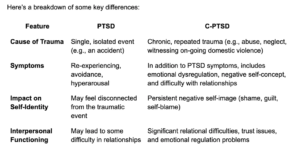
This is the heart of struggles in individuals with Complex-PTSD. Complex PTSD (C-PTSD) is a psychological (and even visceral) condition that arises from prolonged or repeated exposure to traumatic events, often during formative periods of childhood or in situations where escape is difficult, such as in abusive relationships or on-going emotional or physical neglect. At the heart of childhood C-PTSD, an attachment disruption occurs, as often a child’s caregiver is also the source of their trauma. While C-PTSD is not yet officially recognized in the DSM-5, it is increasingly acknowledged within the global mental health community, particularly through the ICD-11, which now includes it as a distinct diagnosis. This article will provide an overview of what C-PTSD is, how it differs from traditional PTSD, and explore evidence-based treatment approaches for healing.

It is worth noting that while the DSM-5 did not include this diagnosis specifically, it did add some new symptom sets to broaden the diagnosis of PTSD, so that those presenting with C-PTSD can be captured in the nuances of such additions. Critics argue that this is not enough for diagnostic clarity and effective treatment planning.

What is Complex PTSD?
Complex PTSD refers to a form of trauma-related disorder that arises from long-term or repeated exposure to trauma, often in situations where individuals feel trapped or powerless. These might include experiences such as childhood emotional or physical abuse or neglect, witnessing chronic domestic violence, prolonged emotional or physical neglect, or living in high crime areas.

While post-traumatic stress disorder (PTSD) can develop from a single traumatic event (such as witnessing a death), C-PTSD typically stems from ongoing, chronic trauma. C-PTSD often involves traumatic events that were relational in nature. For example, having a father who is often criticizing you, telling you are “worthless” or that he wishes you were not born. Or having a mother who is often under the influence of substances, acting unpredictable, impulsive and risky; putting a child in a constant state of fear of “what can happen when mom is drinking”.

A recent training I attended by Bessel Van der Kolk, who is considered one of the leading trauma experts in psychology, shared his research showing the critical differences between being a child who experiences trauma within their own family versus being an adult who gets in an accident or is assaulted, in that the former changes a person’s sense of themselves. Rather than having a core belief of “I am capable and safe, but I went through something scary”, the core belief is “I am defective and damaged, and bad things happen to me because the world is not safe for me.” This explains why therapy for complex-trauma is often much longer than treatment for more typical PTSD, with much of the focus on the healing power of the therapeutic relationship rather than just the interventions for processing the trauma.

Some key symptoms of C-PTSD include:

– Re-experiencing the Trauma: This may include flashbacks, intrusive memories, or nightmares related to the traumatic events.
Avoidance: A person may avoid people, places, or activities that remind them of the trauma.

– Negative Alterations in Mood and Cognition: This includes feelings of shame, guilt, hopelessness, or emotional numbness, and difficulty in forming positive relationships.

– Hyperarousal: Individuals may feel constantly on edge, with symptoms like irritability, difficulty sleeping, and exaggerated startle responses.

– Dissociation: Individuals may experience a sense of detachment from themselves or the world around them.

– Disturbance in Self-Identity: A person may experience feelings of worthlessness, guilt, or a persistent sense of being broken or damaged.

Why is C-PTSD Not Officially in the DSM-5?
Although C-PTSD is increasingly recognized as a distinct form of PTSD, it has not yet been included in the Diagnostic and Statistical Manual of Mental Disorders, Fifth Edition (DSM-5). The DSM-5, published by the American Psychiatric Association, is the primary tool used by clinicians in the United States to diagnose mental health conditions.

Despite strong support from mental health professionals for including C-PTSD as a standalone diagnosis, it was ultimately excluded from the DSM-5. The main reason for this exclusion lies in ongoing debates within the field about the diagnostic criteria for C-PTSD and whether it sufficiently differs from PTSD to warrant a separate category- especially now that the newest DSM added some clusters of symptoms that can better catch C-PTSD in its umbrella.

That said, the International Classification of Diseases, 11th Edition (ICD-11), a globally recognized diagnostic tool used by health professionals worldwide, has formally recognized Complex PTSD as a distinct disorder. The inclusion of C-PTSD in the ICD-11 marks an important milestone in global mental health practice, as it allows clinicians around the world to diagnose and treat C-PTSD more accurately.

Key Differences Between PTSD and C-PTSD
While PTSD and C-PTSD share several symptoms, there are notable differences. The most significant distinction is the duration and type of trauma experienced. PTSD is typically linked to a single traumatic event (e.g., a car accident, a natural disaster, or an assault), while C-PTSD results from prolonged or repeated trauma, often involving interpersonal or relational harm.

The person responsible for the trauma is crucial in understanding its impact. When children experience complex trauma, it often occurs within the context of caregiver relationships, where abuse or neglect can be more damaging than harm from an outsider. This is because it undermines the child’s fundamental understanding of healthy attachment, distorts their perception of others as safe, and breaks the basic expectation that caregivers will consistently offer love, care, and protection.

Treatment Approaches for Complex PTSD
While the journey toward healing from C-PTSD can be long and challenging, there are several effective therapeutic approaches that can help individuals manage and heal from their symptoms.

Trauma-Focused Therapy for C-PTSD
– Trauma-Focused Cognitive Behavioral Therapy (TF-CBT): This is an adapted version of CBT that specifically targets trauma. It’s particularly effective for people dealing with childhood trauma or sexual abuse.

-EMDR (Eye Movement Desensitization and Reprocessing)
EMDR is a therapeutic approach that helps individuals reprocess traumatic memories by using bilateral stimulation (such as guided eye movements). EMDR helps people integrate traumatic memories and feelings into their broader life narrative, reducing emotional pain and distress.

Other Therapy for C-PTSD
– Dialectical Behavior Therapy (DBT): DBT was originally developed for individuals with borderline personality disorder, but it has shown success in treating emotional dysregulation, which is often a key symptom of C-PTSD. DBT helps clients develop emotional regulation skills, improve interpersonal effectiveness, and enhance distress tolerance.

– Somatic Therapies
Somatic therapies focus on the mind-body connection and are particularly helpful for individuals whose trauma is stored in the body. Techniques such as Somatic Experiencing and Sensorimotor Psychotherapy can help release trauma-related tension, improve emotional regulation, and restore a sense of safety in the body.

– Attachment-Based and Relational Therapy
Since C-PTSD often involves relational trauma, relational or attachment-based therapies can be beneficial and in my opinion, need to be part of the treatment process. These therapies focus on repairing and improving the client’s ability to form secure attachments with others and rebuild a sense of trust and safety.

– Mindfulness and Grounding Techniques
Grounding exercises and mindfulness practices can be incredibly helpful for individuals with C-PTSD, particularly for managing dissociation, anxiety, and hyperarousal. These techniques help clients reconnect with the present moment, stay grounded, and regulate intense emotions.

Conclusion:
Complex PTSD is a deeply impactful condition that arises from prolonged exposure to trauma that is often relational in nature, causing deep relational wounds within an individual and feelings of being “broken” or “damaged”. Though it is not yet included in the DSM-5, the inclusion of C-PTSD in the ICD-11 has helped validate the experiences of those living with this disorder. Fortunately, there are many effective treatment options available that can help individuals heal, regain control over their lives, and restore a sense of hope and safety.

If you are struggling with symptoms of C-PTSD, seeking therapy with a trained professional can be the first step toward healing. While therapy tends to take longer for C-PTSD, since much of the underlying treatment involves having a corrective, stable, and consistent healing relationship with your therapist and then yourself, recovery is possible. You don’t have to walk the path of healing alone.

Performance Anxiety: How to Overcome Your Fears to Free Yourself

Performance anxiety is a common and often misunderstood experience that can affect individuals in a wide range of settings, from public speaking and presentations to playing sports or even social interactions. It is a form of anxiety that arises when we feel pressure to perform in front of others, fearing that we will be judged, evaluated, or somehow fall short of expectations.
But what exactly is performance anxiety, and how does it relate to social anxiety? And more importantly, how can we begin to alleviate it and move forward with confidence and self-compassion?

The Connection Between Performance Anxiety and Social Anxiety
At its core, performance anxiety is a subset of social anxiety disorder, a condition characterized by an intense fear of being scrutinized or negatively judged in social situations. While social anxiety can manifest in a wide range of social contexts—like attending a party or having a conversation—performance anxiety tends to emerge when there is a specific task or performance that is being evaluated by others.

Whether it’s singing in front of an audience, giving a work presentation, or even speaking up in a group setting, the underlying fear that drives performance anxiety is often the same: a fear of negative evaluation.

When we experience performance anxiety, we fear being judged, ridiculed, or perceived as inadequate. We worry that others will see us as incompetent or unworthy, and this can trigger a range of physical and emotional responses—from a racing heart and shallow breathing to feelings of dread and embarrassment. These anxious thoughts can become overwhelming, leading us to avoid situations where we might have to perform or speak in front of others, further reinforcing the cycle of fear.

The Underlying Fear: Fear of Judgment and Rejection
At the heart of performance anxiety lies a deep-seated fear of rejection. This fear is not necessarily based on logical evidence but on the emotional belief that we are not enough or that we must prove our worth to others. For many people, this fear of judgment stems from past experiences of criticism, ridicule, or feeling unseen or unheard. Or feeling like we are an imposter in our roles, with deep core beliefs that we are fundamentally broken. In this way, performance anxiety is often correlated with individuals who have experienced complex or developmental trauma.

This fear often leads to an intense need for control and perfectionism. We want to “get it right” or perform flawlessly so that we can avoid the discomfort of feeling exposed or vulnerable. Yet, ironically, the more we strive for perfection, the more we set ourselves up for failure because no one can meet such high expectations all the time.

The good news is that performance anxiety can be managed and reduced. By shifting our relationship with fear and adopting compassionate strategies for self-care and self-compassion, we can start to break the cycle of anxiety and build resilience.

Self-Help Tips for Managing Performance Anxiety
Here are a few practical and compassionate strategies to help you manage performance anxiety and reconnect with your authentic self:

Challenge Negative Thoughts
Performance anxiety often stems from irrational thoughts about what might happen if you make a mistake or are judged. Take a step back and ask yourself: “What’s the worst that could happen?” and “How likely is it that this will happen?” Often, when we examine these thoughts objectively, we realize they are far less probable than we initially believed. Reframing negative thoughts can reduce the emotional charge associated with them.

Practice Self-Compassion
Remind yourself that it’s okay to be imperfect. Everyone makes mistakes, and no one expects you to be flawless. Treat yourself with the same kindness you would offer a friend who is struggling. Self-compassion can help you accept your vulnerability and reduce the pressure to be perfect.

Gradual Exposure
The more we avoid situations that cause us anxiety, the more entrenched the fear becomes. A key way to overcome performance anxiety is through gradual exposure. You could start by taking small steps to put yourself in situations where you are required to perform or speak in front of others. Begin with low-stakes situations and gradually work your way up to more challenging ones. With each successful experience, your confidence will grow.

Breathing and Grounding Techniques
Anxiety often triggers a physical response—like rapid breathing or a racing heart—that can make us feel even more anxious. Learning to regulate your breath can help calm the body and mind. Try deep breathing exercises: breathe in slowly for a count of four, hold for four, and exhale for six. This simple technique can help bring you back into the present moment and reduce the fight-or-flight response.

Focus on the Present Moment
One of the main reasons we experience anxiety is that we’re mentally caught up in worries about the future—what will happen if we fail, what others will think of us, and so on. By focusing on the present moment, we can interrupt these spiraling thoughts. Engage your senses: notice the sensations in your body, the sounds around you, or the physical sensations of whatever task you’re performing. This mindfulness practice can help you stay grounded in the here and now.

Reframe Failure as Learning
Fear of failure is often a major trigger for performance anxiety. Reframe your understanding of failure: rather than seeing it as a reflection of your worth, view it as an opportunity to learn and grow. Every experience—whether it’s a success or a setback—provides valuable insights that help you improve.

Closing Thoughts: Compassionate Self-Acceptance
Performance anxiety can feel isolating, especially when it seems like others are handling similar situations with ease. But it’s important to remember that everyone experiences anxiety in different forms. It doesn’t make you weak or inadequate; it makes you human. And with the right tools and mindset, you can move through anxiety with grace and resilience. If you find you need more help, it sounds like this could be a great time to reach out to a therapist who specializes in anxiety treatment. Oftentimes, self help tools just are not enough, and that is okay! That is why therapists are here, to help you in healing the more deep rooted causes of your anxiety such as childhood trauma (which many individuals are not even aware they suffered) or processing past times you have been scrutinezed. You can book a free 15-minute exploratory call with me by clicking here, and we can discuss ways therapy may help you with your performance Anxiety or other anxiety symptoms that are causing you distress.

By practicing self-compassion, challenging negative thoughts, gradually exposing yourself to anxiety-provoking situations and reaching out to an Anxiety Therapist, you can begin to break the cycle of fear and move toward greater confidence in your abilities. Remember, you are not alone in this struggle, and you have the inner strength to rise above it.
Take it one step at a time, and trust that with patience and practice, you will find peace in the process.

DISCLAIMER: This is not therapy or a substitute for therapy

Holiday Heart: When Mental Health becomes Physical Health and What to Do About It.

The holiday season is often thought of as a time of joy and celebration, but for many women and teens, it can bring extra stress, anxiety, and even physical discomfort. On top of the emotional strain, some people also experience a condition called Holiday Heart, where stress and alcohol can lead to irregular heartbeats. While physicians often state that this condition is temporary for most, it’s a good reminder that the stress of the holidays can affect both our emotional and physical health. If you’re feeling the weight of the season, it’s important to take care of both your mind and your body. As a therapist specializing in anxiety, I often see anxiety and stress start to take a more intense toll on the body during the holiday season. And through my collaboration with physicians over the years on mutual clients, I have come to learn about this “holiday heart” condition and see it playing out with clients around this time of the year.

Let’s dive into what Holiday Heart is, why it happens, and how to manage stress, alcohol, and emotions so you can make it through the holidays feeling your best.

What is “Holiday Heart”?
While we’re all familiar with the term “Holiday Heart” as a way to describe the emotional toll of the season, there’s also a medical condition by the same name. Holiday Heart Syndrome refers to irregular heartbeats (or arrhythmias) that happen during the holiday season. This condition is often linked to increased stress and alcohol consumption—two things that tend to be at their peak during the holidays.

Why Does Holiday Heart Happen?
Stress
The holidays come with a lot of pressure. There’s shopping to do, family to see, events to attend, and a great deal of social expectations. All of this can lead to high stress levels, which in turn, affect your heart. When you’re stressed, your body releases stress hormones such as adrenaline, which can trigger irregular heartbeats, especially if your heart is already under strain from other factors.

Alcohol
During the holiday season, many of us indulge in alcohol more than usual. Whether it’s to unwind after a busy day or to celebrate with friends and family, drinking too much alcohol can trigger heart rhythm problems. Through consultation with medical providers over the years, I have learned that alcohol can have a direct impact on the electrical signals in the heart, and drinking in excess—especially if you’re already stressed or fatigued—can lead to a condition known as atrial fibrillation (AFib). AFib is a type of irregular heartbeat that can feel like your heart is racing or skipping beats.

Lack of Sleep
The holidays often throw off our usual routines, including sleep. Between late-night parties, travel, and the stress of the season, many people find themselves not getting enough rest. Sleep deprivation can also affect heart health, increasing the likelihood of experiencing arrhythmias during the holidays.

Symptoms of Holiday Heart: What to Look For
If you’re experiencing Holiday Heart, you might notice the following symptoms (that also can be anxiety symptoms):

Palpitations: A feeling that your heart is beating irregularly, too fast, or too hard
Fatigue or Weakness: Feeling unusually tired or weak, especially after physical activity or drinking alcohol
Dizziness or Lightheadedness: Feeling off-balance or faint, particularly when standing up quickly
Shortness of Breath: Difficulty catching your breath or feeling winded, even with light activity
Chest Pain or Discomfort: A tightness or heaviness in the chest, which can sometimes be confused with anxiety or stress

These symptoms can be alarming, but the good news is that for most people, Holiday Heart is temporary and doesn’t cause long-term damage. However, it’s still important to listen to your body and take action if you notice these signs.

How to Take Care of Your Holiday Heart
If you’re dealing with Holiday Heart or just trying to manage the stress of the season, here are some tips for protecting both your heart and your mental well-being:

Limit Alcohol Consumption
While having a drink with friends or family can be fun, try to be mindful of how much you’re drinking. Alcohol in moderation is less likely to trigger irregular heartbeats, but drinking large amounts, especially in a short period, can put a strain on your heart. If you’re prone to Holiday Heart, try to limit alcohol or alternate alcoholic drinks with water to keep your heart (and your body) balanced.

Manage Stress
Stress is one of the biggest contributors to both emotional and physical heart issues during the holidays. Try to find ways to reduce your stress levels by setting realistic expectations for yourself, taking breaks, and practicing relaxation techniques. Deep breathing, mindfulness, or gentle yoga can help lower stress hormones and calm both your mind and body.

Get Enough Sleep
Sleep is essential for your overall health, and it’s especially important when you’re feeling stressed or overwhelmed. Aim for at least 7-8 hours of sleep per night. If you’re having trouble sleeping, try setting a calming nighttime routine—like reading, using a sleep mask, or practicing deep breathing before bed.

Take Care of Your Body
Exercise doesn’t have to mean hitting the gym every day. Even a brisk walk, a few minutes of stretching, or some gentle yoga can help release tension and keep your heart healthy. Regular physical activity also improves your mood and reduces anxiety, making it easier to cope with the emotional challenges of the holidays.

Know When to Seek Help
If you’re experiencing symptoms like these or chest pain, shortness of breath, or dizziness, it’s important to seek medical attention. While Holiday Heart is usually not life-threatening, these symptoms could indicate a more serious heart condition that requires immediate attention. If you have a history of heart problems or are worried about your symptoms, don’t hesitate to reach out to your healthcare provider.

Final Thoughts: Listen to Your Heart (and Your Mind)
Whether it’s emotional stress or the physical effects of alcohol, the holidays can take a toll on your heart in ways you might not expect. By being mindful of your stress, taking care of your body, and setting boundaries where needed, you can better protect both your mental health and your physical health this season.

Remember, the holidays don’t have to be “perfect” to be meaningful. Take things at your own pace, prioritize what’s most important, and be kind to yourself. If you’re feeling overwhelmed, it’s okay to step back and focus on what will bring you peace, whether that’s saying no to an event, limiting alcohol, or simply resting.

And if you ever feel like your Holiday Heart symptoms are more than you can manage, don’t hesitate to reach out to a professional—whether that’s a doctor or a therapist-or both. Your health is important, and you deserve to feel your best during this (sometimes chaotic) time of year.

Is EMDR Therapy a Fit for You?

As a therapist specializing in women’s mental health, particularly anxiety and trauma, I’m always looking for the most effective ways to help my clients heal and move forward in their lives. One powerful approach that I use in my practice is EMDR (Eye Movement Desensitization and Reprocessing) therapy. You might be wondering: What exactly is EMDR? How does it work? And is it really effective?

I’m so glad you asked! Let me break it down for you in a way that feels accessible and easy to understand.

What is EMDR?
EMDR is a therapeutic approach that’s designed to help people process and heal from traumatic memories, disturbing experiences, or overwhelming emotions. It was developed in the late 1980s by Dr. Francine Shapiro, and since then, it has become one of the most researched and evidence-based treatments for trauma and PTSD (post-traumatic stress disorder).

However, EMDR is not just for trauma. It can also be incredibly helpful for a wide range of concerns, including anxiety, depression, phobias, grief, and even some forms of chronic pain.

At its core, EMDR helps people reprocess unprocessed or mis-processed memories or negative beliefs that are “stuck” in their minds and bodies. These memories or beliefs may be causing emotional distress, or influencing current behavior in unhealthy ways.

How Does EMDR Work?
EMDR is unique in that it involves both talk therapy and bilateral stimulation (often through eye movements, though tapping or auditory tones can also be used). You may wonder: Why would eye movements be involved in therapy?

Here’s how it works:
Processing Disturbing Memories: In EMDR, we’ll focus on a memory or experience that’s causing you distress—this could be something recent or from your past. The goal is to bring up the memory or thought, but not in a way that feels overwhelming or re-traumatizing.

Bilateral Stimulation (BLS):
As you think about the memory, I’ll guide you to move your eyes back and forth, or use other forms of bilateral stimulation. This has been shown to help the brain process and “reorganize” these memories in a healthier way, similar to how we process information during REM (Rapid Eye Movement) sleep.

Shifting Negative Beliefs:
Often, trauma and difficult experiences leave us with negative beliefs about ourselves (e.g., “I’m not safe,” “I’m not good enough,” or “I’m unworthy”). EMDR helps you shift those beliefs to more positive, adaptive ones.
Healing & Resolution: As your brain processes the memory in a more adaptive way, the emotional intensity associated with it often decreases, and you’re able to think about the event without the same level of distress. Over time, this helps you feel more in control of your emotions and reactions.

The 8-Phase EMDR Protocol
If you are wondering how the steps actually look in a session, EMDR therapy often follows a structured, 8-phase protocol. This is designed to ensure that the process is thorough, safe, and effective. Each phase builds upon the previous one, guiding you step-by-step toward healing and resolution. It is important to note that there are now multiple adapted procedures for each stage of the protocol for EMDR therapy. Depending on one’s training and other modalities they would like to incorporate into their EMDR work, this can look a bit different case to case and therapist to therapist. Here’s a quick overview of what the 8 phases involve for
the standard protocol:

1. History-Taking and Treatment Planning
In this phase, we’ll talk about your background, current concerns, and the specific issues you want to work on. Together, we’ll identify the memories or beliefs that are most distressing and develop a treatment plan. This helps us focus on your unique needs and goals for therapy.

2. Preparation
This phase is all about ensuring you feel safe, comfortable, and ready to begin the process. I will explain how EMDR works, address any questions or concerns you might have, and teach you grounding techniques to help manage any strong emotions that may arise during or between sessions.

3. Assessment
In this phase, we’ll focus on the specific memory, event or time frame that you want to process. We will identify key elements of that memory, including the negative belief you may have about yourself (e.g., “I’m not safe” or “I’m worthless”), and a positive belief you’d like to adopt (e.g., “I am safe” or “I am worthy”). You’ll also be asked to rate the level of distress you feel about the memory at the beginning of treatment.

4. Desensitization
This is the phase where the bilateral stimulation (I typically use eye-movements or tapping) happens. You’ll focus on the memory while engaging in the eye movements or another form of bilateral stimulation. Over time, the emotional intensity of the memory should decrease, and you’ll start to feel less distressed by it.
Installation

As the distress level decreases, we work on strengthening the positive belief you identified earlier. This phase helps reinforce your new, healthier way of thinking about yourself and the world.

5. Installation:
We will work to strengthen the positive beliefs the client wants to adopt, helping you to replace negative self-perceptions with more adaptive and empowering ones.

6. Body Scan
In this phase, we check in with your body to see if there are any physical sensations connected to the memory. Sometimes, trauma gets “stored” in the body, so we work together to release any tension, discomfort, or lingering feelings of distress.
Closure

7. Closure:
In this stage you helped to return to a state of calm and equilibrium after processing the traumatic memory, ensuring that you feel grounded and safe.

After each session, we’ll make sure you feel stable and grounded before leaving. If the memory hasn’t fully resolved, we’ll take steps to ensure that you feel emotionally safe and can carry on with your day. I’ll also guide you through any relaxation techniques to help you feel calm and centered.

8. Reevaluation
In follow-up sessions, we’ll check in on your progress and see how the memory or issue feels now. If any lingering distress remains, we’ll revisit it. Sometimes new memories or related issues surface as healing happens, and we’ll address them as needed. This phase ensures that your healing continues and that you’re moving forward with the strength and resilience you’ve gained.

This 8-phase approach is designed to make sure that the healing process is comprehensive, paced according to your comfort, and rooted in your unique experiences. It’s one of the reasons why EMDR is such a flexible and powerful treatment—it allows for the deep work of trauma healing while also supporting you as a whole person, emotionally, mentally, and physically.

As always, your therapist should be with you every step of the way, providing guidance, support, and compassion as you work through each phase together.

The Evidence Behind EMDR
One of the most remarkable things about EMDR is that it’s backed by solid scientific research. Over 30 years of studies show that EMDR is highly effective in treating trauma-related disorders and other mental health conditions. In fact, the American Psychological Association (APA) and the World Health Organization (WHO) both recognize EMDR as a recommended treatment for trauma and PTSD.

EMDR has been shown to help people reduce the emotional charge attached to traumatic memories, lower symptoms of anxiety and depression, and even improve sleep and overall well-being. Studies have found that many people experience significant improvement in as few as 6 to 12 sessions, making it one of the most efficient therapies available.

But, just as importantly, EMDR has helped people heal in a way that feels gentle and non-invasive. It allows clients to process their pain at their own pace, without needing to talk through every single detail of their trauma. This is especially helpful for individuals who may feel overwhelmed by the idea of recounting traumatic experiences in detail.

Why EMDR Might Be Right for You
If you’ve been struggling with anxiety, trauma, or any of the emotional burdens that life can bring, EMDR can be a transformative experience. It’s a deeply compassionate approach to healing that doesn’t require you to relive every painful detail of your past. Instead, it gently helps your brain and body heal, so that you can feel more present and at peace in your life.

I know it can feel intimidating to take that first step towards therapy, but I want you to know that you’re not alone in this process. If you’re ready to explore EMDR or would like to learn more about how it might fit with your healing journey, I’m here to support you with warmth, compassion, and a deep understanding of your needs.

Whether you’re dealing with past trauma, ongoing anxiety, or just looking for a new approach to mental well-being, I’d be honored to help guide you through the process of healing with EMDR. If you have any questions or are curious to see if EMDR could be a helpful part of your healing process, please don’t hesitate to reach out. You deserve to feel whole, healthy, and at peace, and I’m here to help you get there.

How to Manage Social Anxiety during the Holidays

The holidays can be a joyful time, full of warmth, connection, and celebration. But for many, the constant social gatherings, family expectations, and festive events can bring up feelings of anxiety and overwhelm—especially for those who struggle with social anxiety.

If you’re someone who finds the idea of socializing during the holidays stressful, please know that you’re not alone. It’s perfectly okay to feel this way. As a therapist who specializes in anxiety and trauma, particularly social anxiety, I want to offer some compassionate strategies to help you cope during this often overwhelming time of year.

Understanding Social Anxiety
Before diving into coping strategies, let’s first take a moment to understand what social anxiety really is. Social anxiety involves a fear of being judged, criticized, or not measuring up in social situations. It can lead to avoiding social events, feeling uncomfortable in group settings, or even experiencing physical symptoms like rapid heartbeat, sweating, or trembling. For many, the holidays amplify these feelings, as they often involve more social interaction than usual.

Why the Holidays Can Be Especially Challenging
During the holidays, there is often an expectation to attend family gatherings, work parties, or festive outings with friends. While these events are meant to be enjoyable, they can trigger a range of anxieties, such as:

– Pressure to be “on”: The need to appear cheerful, social, and engaged can feel draining.
– Fear of judgment: There may be concerns about how you’re perceived, whether you fit in, or if you’re saying the “right” things.
– Overwhelm from social obligations: Trying to balance multiple events, especially when you’re not feeling your best, can lead to burnout.

If you’re struggling with these feelings, it’s important to acknowledge them with kindness. Social anxiety is valid, and the holidays don’t have to be a time of constant pressure. Below are some strategies to help you navigate the season with more ease and less stress.

1. Set Realistic Expectations
It’s easy to feel overwhelmed by the “perfect holiday” narrative—where everyone is always happy, social, and carefree. But the reality is that the holidays are a mix of emotions, and it’s okay to acknowledge that they can be challenging. Instead of trying to meet others’ expectations, focus on your own needs and set realistic goals for yourself.

If large gatherings feel too overwhelming, allow yourself to say “no” or leave early when you need to. There’s no shame in setting boundaries to protect your mental health. Remember, self-care is just as important as making others happy.

2. Practice Self-Compassion
If you’re feeling anxious, it’s important to be gentle with yourself. Many of us are our own harshest critics, especially in social situations. You might think, “I should be handling this better” or “I’m being silly for feeling this way.” But those thoughts only add to the anxiety.

Instead, practice self-compassion. Talk to yourself the way you would talk to a dear friend who is struggling. Recognize that anxiety is a natural response to stress and that it doesn’t define you. You are bigger than just this one struggle, and this anxious part of you deserves some compassion from yourself and a chance to be heard out.

3. Create a Plan for Social Situations
If you know you’ll be attending a holiday event that makes you anxious, it can be helpful to create a plan ahead of time. This can give you a sense of control and help calm your nerves.

– Set limits: Decide ahead of time how long you’ll stay and what kind of interactions you’re comfortable with.

-Prepare conversation starters: If small talk is a trigger for you, come up with a few questions or topics you feel confident discussing. Asking others about their holiday plans, favorite traditions, or even how their year went can help take the pressure off you.

– Take breaks when needed: If you start to feel overwhelmed, it’s okay to step away for a few minutes. A brief walk outside or a quiet space can help reset your mind and energy.

4. Ground Yourself in the Present Moment
When anxiety strikes, your mind may race with worries about how you’re being perceived, what you should say next, or how you’ll get through the event. One of the most effective tools for managing anxiety is grounding yourself in the present moment.

– Try grounding techniques such as:
Deep breathing: Take slow, deep breaths to calm your body and mind. Inhale for a count of 4, hold for 4, and exhale for 6. This can help activate your body’s natural relaxation response. If these feelings do not improve with this pace of breathing, try an even longer exhale or pause in between breaths. You can experiment to see what works best for you!

– Mindful awareness: Focus on the physical sensations around you—the texture of your clothing, the sound of laughter, or the warmth of an apple cider in your hand. By anchoring yourself in the present, you can reduce the spiral of anxious thoughts.

5. Challenge Negative Thoughts
A core feature of social anxiety is the tendency to catastrophize or assume the worst in social situations. You may worry that people are judging you, or that you’ll say something embarrassing or that others will be able to tell that you are anxious. While these thoughts may feel real, they are often distorted.

When these thoughts arise, try to challenge them. Ask yourself:

1. What evidence do I have that supports this thought?
2. Is there a more balanced way of viewing the situation?
3. Even if I make a mistake, will it really matter in the long run?

By questioning your anxious thoughts, you can create a more realistic and compassionate view of the situation.

6. Practice Self-Care in Between Events
The holidays can be a whirlwind of activity, so it’s crucial to carve out time for yourself. This could mean taking a walk, enjoying a warm cup of tea, or simply relaxing with a good book. Managing social anxiety requires replenishing your energy, and self-care is key to helping you stay grounded and balanced.

7. Seek Support When Needed
Finally, remember that it’s okay to reach out for help if you’re feeling stuck. If social anxiety is a major challenge for you, working with a therapist who specializes in anxiety can offer significant relief. I provide specialized therapy for social anxiety, where we can explore the root causes of your anxiety, develop coping strategies, and work toward long-term solutions that allow you to feel more confident and at ease in social settings.

Social anxiety doesn’t have to define your experience of the holidays or your life. With the right tools and strategies, you can navigate these events in a way that feels true to who you are—and still enjoy meaningful moments of connection and joy.

The holiday season is about finding balance between honoring your own needs and enjoying time with others. Be kind to yourself, take it one step at a time, and remember: It’s okay to set boundaries and take breaks when you need them. You don’t have to do it all.

8. Be Aware that Avoidance Can Make Anxiety Worse—Facing Your Fears Can Help You Grow
It can be tempting to avoid social situations altogether, especially when the anxiety feels overwhelming. You might think, “If I skip this party or family gathering, I won’t have to deal with the discomfort.” And while avoiding social events may offer temporary relief, in the long run, it can actually increase your anxiety.

Avoidance reinforces the idea that social situations are something to fear, and it prevents you from practicing the very skills that can help you feel more confident over time. The more you avoid, the more your anxiety grows, making the next event feel even more daunting.

Although facing social situations can be challenging, it’s an important step toward building resilience and proving to yourself that you can handle discomfort. This doesn’t mean you have to throw yourself into every social event all at once, but small steps can help you gradually build confidence.

For example, instead of skipping a gathering entirely, you could set a goal to attend for a shorter time, or go with a close friend for support. Gradually exposing yourself to social situations, even in small doses, helps your brain learn that you can navigate these moments without the world falling apart. Over time, you’ll find that social situations become less intimidating as you face them with the support of the coping strategies you’ve learned.

Remember, growth often happens outside of our comfort zones. Every time you face a social situation—even if it feels hard—you’re building your capacity to manage anxiety and learning that you’re stronger than you think.

This additional point can help highlight that, while it may be uncomfortable in the moment, confronting social anxiety can lead to long-term growth and relief. It ties into the idea of gradual exposure, which is a proven technique for reducing anxiety over time.

If you’re struggling with social anxiety and want to explore ways to feel more comfortable and confident during this time of year, I’m here to help. Together, we can work on strategies that make the holidays—and everyday life—more manageable. I believe this can get better, and I hope you do too!

Integrating Somatic-Based Therapy Techniques into Traditional Treatment Approaches for Anxiety and Trauma

As a therapist working with individuals experiencing anxiety and trauma, I understand how complex and deeply ingrained these issues can be. For many of my clients, emotional distress is not just something they think about — it’s something they feel in their bodies. Traditional talk therapies, such as cognitive-behavioral therapy (CBT) or cognitive-processing therapy (CPT), can be incredibly effective for addressing thought patterns and past experiences. But what if we could more deeply address the physical sensations that accompany emotional distress, helping clients regulate their nervous systems and find lasting relief? This is where somatic-based therapy comes in.

What is Somatic-Based Therapy?
Somatic therapy is an approach that focuses on the connection between the body and the mind. It acknowledges that trauma and anxiety are not just mental or emotional experiences, but are often stored in the body. Through somatic-based techniques, clients can learn to recognize and release physical tension, build awareness of their bodily sensations, and develop tools for calming their nervous system.

Unlike traditional talk therapies that primarily focus on verbal expression, somatic therapy helps clients process emotional and psychological experiences through movement, touch, breath, and body awareness. These techniques can be particularly effective for people struggling with anxiety, trauma, and stress, where emotions are often deeply rooted in the body and hard to articulate.

Somatic Therapy and Polyvagal Theory
One of the most important theories to understand when integrating somatic techniques into therapy is Polyvagal Theory, developed by Dr. Stephen Porges. Polyvagal Theory explores the role of the vagus nerve, a critical part of the autonomic nervous system, which controls functions like heart rate, digestion, and respiratory rate. It also plays a key role in how we respond to stress and danger.

According to Polyvagal Theory, our bodies have three primary states of autonomic nervous system activation:

– The Safe and Social State (Ventral Vagal): This state is where we feel calm, connected, and engaged. It’s our ideal state for communication, social interaction, and relaxation. When we are in this state, we feel safe and at ease.

– The Fight or Flight State (Sympathetic Nervous System): When we are faced with a threat, the body shifts into the fight or flight response, preparing us to take action. This is often associated with feelings of anxiety, panic, and hyperarousal. In therapy, clients may recognize this as their body tensing up, racing thoughts, or an increase in heart rate.

– The Freeze State (Dorsal Vagal): When the threat feels overwhelming and inescapable, the body can shift into a freeze response, often associated with dissociation, numbness, or a sense of helplessness. In this state, clients may feel disconnected from their bodies or have trouble accessing emotions.

Somatic-based therapy helps clients recognize which state their body is in and use specific techniques to shift toward the safe and social state. This shift is crucial for regulating the nervous system and creating a sense of safety — a foundational element in trauma recovery and anxiety relief.

How Somatic Techniques Can Be Integrated into Therapy

1. Breathing Techniques: Deep, slow, and conscious breathing can help clients activate the vagus nerve and move from the fight or flight state to the safe and social state. Techniques like diaphragmatic breathing or 4-7-8 breathing can be taught in sessions and practiced at home. These techniques help clients activate the parasympathetic nervous system, slowing the heart rate and promoting relaxation.

2. Body Awareness: Encouraging clients to become more attuned to their bodily sensations is one of the cornerstones of somatic therapy. This might involve guiding clients to notice where they hold tension, what emotions arise when they think about a traumatic event, or how their body feels when they experience anxiety. Bringing attention to these physical sensations can help clients feel more grounded in the present moment, rather than being overwhelmed by memories of the past or worries about the future.

3. Grounding Exercises: Grounding techniques are particularly helpful for clients who dissociate or feel disconnected from their bodies. Simple practices like feeling the feet on the floor, touching a textured object, or using the breath to reconnect to the present moment can help bring the client back to a sense of safety.

4. Movement and Posture: Movement can be an incredibly powerful tool for shifting nervous system states. Gentle exercises, such as yoga or tai chi, can help clients move out of the fight, flight, or freeze states and back into a regulated, calm state. The posture and body language of a person can also signal whether they are feeling safe or under threat. Helping a client adjust their posture or gently move their body can sometimes offer a quick shift in their emotional state.

5. Touch and Somatic Experiencing: Some forms of somatic therapy, such as Somatic Experiencing (SE), use light touch or subtle pressure to help clients release trauma held in the body. In a therapy setting, this may be done with the client’s consent and awareness to support emotional and physical release. This form of therapy can be highly effective for trauma survivors, allowing them to process emotional and physical sensations at a pace that feels safe.

6. Resourcing: In the context of trauma therapy, resourcing is a technique where clients are guided to find a “resource” or positive image, memory, or sensation that helps them feel safe and grounded. This could be a memory of a comforting experience, a favorite place, a protector figure, or an image of strength. Resourcing can be particularly helpful when a client is feeling overwhelmed, as it gives them a tool to return to a safe state of mind.

The Role of the Anxiety and Trauma Therapist
As an anxiety therapist, integrating somatic-based techniques into my practice offers a holistic way of treating anxiety and trauma. When clients experience anxiety, they often feel trapped in their own bodies, overwhelmed by physical sensations like racing heartbeats or tightness in their chest. By using somatic therapy alongside more traditional methods, I can provide clients with a more comprehensive approach to emotional regulation and recovery.

Integrating these techniques can be transformative for clients who struggle with anxiety, trauma, or stress. I have had many clients come to me for therapy, who have not improved in the past with other therapists, or who have improved, but only to a certain degree. Yet, they remain stuck in their fight or flight responses. Being able to offer somatic approaches has helped enable them to tune into their bodies and calm their nervous systems in a way that talk alone cannot and therefore, has not.
Incorporating somatic techniques can also help clients feel empowered — they are not just passive recipients of therapy; they are active participants in their own healing process. This combination of mind and body work can lead to deeper healing and more lasting results.

Conclusion
Integrating somatic-based therapy techniques into traditional anxiety therapy can be a powerful way to help clients regulate their nervous systems and find peace. By combining the wisdom of the body with traditional talk therapy, clients can experience more profound shifts in both their emotional and physical states. My clients are female-identifying teens or adults, somatic therapy provides a compassionate, effective approach to treating anxiety and trauma. If you’re looking for the best anxiety therapist in Massachusetts, or wherever you are, exploring somatic-based therapy could be the next step in your healing journey.
By weaving in techniques that address both the mind and body, clients can feel safer, more grounded, and better equipped to navigate life’s challenges.

Psychotherapy Through a Feminist Lens: Empowering Women and Teens in Healing

As a licensed therapist specializing in women’s and teen mental health, particularly in the areas of anxiety and trauma, I am very familiar with the profound impact that societal norms, gender expectations, and power dynamics can have on mental health. Psychotherapy, when viewed through a feminist lens, provides a transformative approach to healing—one that recognizes the influence of culture, society, and gender on mental health while fostering empowerment, equality, and self-awareness. In this article, we will explore what psychotherapy looks like when it’s approached from a feminist perspective and how this framework can offer profound support for women and teens navigating anxiety, trauma, and emotional distress. It is critical to note that feminist-based therapy can be used for any gender identity. The goal is to create true equality and notice how power imbalances and social construct can lead to emotional and mental health stress. Even clients identifying as men can benefit from this approach, as they face their own societal challenges and expectations. However, since I specialize in the treatment of women and teen girls, this article is focused on them.

Understanding Feminist Therapy
Feminist therapy emerged in the 1970s as a response to traditional therapeutic approaches that often overlooked or minimized the role of gender and power in shaping mental health. Rooted in feminist theory, it seeks to understand and challenge the power imbalances that affect individuals, particularly women and marginalized groups, in their personal and social lives. This therapeutic approach encourages clients to explore the ways in which societal constructs—such as gender roles, expectations, and systemic oppression—can influence their sense of self, their mental health, and their relationships.

A feminist approach to therapy does not just address personal struggles in isolation; it considers the broader context of a person’s experiences, including the ways that patriarchal structures and cultural norms may contribute to issues like anxiety, trauma, low self-esteem, and disempowerment.

Key Principles of Feminist Therapy

Gender and Power Awareness: At the heart of feminist therapy is the recognition that societal power dynamics—often defined by gender, race, class, and sexuality—shape a person’s experiences and their mental health. Women and teens may experience unique challenges due to cultural expectations, discrimination, and social roles. Feminist therapists work with clients to understand how these societal factors impact their emotional well-being and to empower them to challenge these systems of inequality.

Empowerment and Agency: One of the main goals of feminist therapy is to empower clients by helping them reclaim their voice, autonomy, and self-worth. Feminist therapists encourage women and teens to explore their personal strengths, resilience, and capabilities while acknowledging the obstacles they face due to societal pressures. By helping clients develop a strong sense of agency, feminist-lense therapy supports individuals in making empowered choices and fostering a positive self-concept.

Collaborative and Egalitarian Relationship: In feminist-based therapy, the therapist-client relationship is built on mutual respect, collaboration, and equality. The therapist does not take an authoritative or hierarchical role, but rather works alongside the client as a partner in the healing process. This egalitarian approach fosters trust and openness, allowing clients to feel heard, validated, and supported without feeling judged or diminished. It is essential for clients to feel that their lived experiences and perspectives are central to the therapeutic process. Some examples of this are ensuring that clients can call you by your first name (avoiding the use of terms like doctor or miss/mr) as well as referring to clients as “clients” instead of “patients”. Considering the powerful impact that simple words carry with their implicit messages is one of the biggest take-aways I received in the masters program that I completed in 2011 at Northeastern University. The program was directed by a team of feminist psychologists and extremely enlightening in this regard. These words carry power, and with them, oppression. To foster a true egalitarian therapeutic relationship, a therapist must seek to identify these messages and attempt to mitigate them.

Holistic and Intersectional Approach: Feminist therapy also emphasizes the importance of considering the whole person, acknowledging the intersectionality of various aspects of identity—such as race, class, gender, sexuality, and ability. A feminist therapist recognizes that individuals cannot be reduced to a single aspect of their identity and that the experiences of women and teens are shaped by a variety of intersecting factors. This approach allows clients to examine how multiple aspects of their identity influence their mental health and provides a framework for understanding how systemic oppression and marginalization can affect their sense of self.

Social Change and Advocacy Feminist: therapists often adopt an advocacy role, supporting clients in their efforts to challenge oppressive systems and creating space for social change. By promoting empowerment, feminist therapy supports women and teens to engage in activism or social justice efforts that align with their values if they want to, which can be healing in itself. It may involve providing resources, educating clients on their rights, or helping them develop skills to cope with societal pressures and injustices.

How Feminist Therapy Benefits Women and Teens with Anxiety and Trauma

1. Acknowledging the Impact of Trauma and Anxiety on Women and Teens
For many women and teens, experiences of trauma—whether in childhood, relationships, or through societal pressures—can significantly affect their mental health. Feminist therapy emphasizes the importance of validating these experiences without minimizing or blaming the individual. By recognizing that anxiety and trauma often stem from external stressors, such as gender-based violence, societal expectations, or discrimination, feminist therapy helps individuals contextualize their emotional distress and reduces feelings of shame or isolation.

2. Challenging Societal Expectations and Gender Roles
Women and teens often face unrealistic standards and pressure related to appearance, behavior, and success. Feminist therapy creates space for clients to explore how these societal pressures affect their mental health, self-esteem, and relationships. It encourages them to challenge limiting gender roles and helps them embrace a more authentic sense of self. For teens, particularly, this can be a crucial step in developing a healthy sense of identity in the face of peer pressure and media portrayals of idealized images.

3. Encouraging Healthy Boundaries and Assertiveness
One of the key aspects of feminist therapy is helping clients develop healthy boundaries and assertiveness. For women and teens, learning to assert themselves and set boundaries—whether in relationships, work, or school—can be a powerful antidote to feelings of anxiety or powerlessness. Feminist therapy supports clients in recognizing their right to advocate for themselves and make choices that honor their own well-being.

4. Creating a Safe and Empowering Therapeutic Space
A feminist approach to therapy prioritizes creating a space where women and teens feel safe to express themselves without fear of judgment. This safe space allows clients to share their experiences, explore their emotions, and develop healthier coping strategies. Whether dealing with past trauma, current anxiety, or struggles with self-esteem, feminist therapy supports clients in rebuilding their sense of empowerment and inner strength.

The Therapist’s Role in Feminist Therapy
As a therapist utilizing a feminist framework, my role is to guide, support, and empower my clients while recognizing the unique challenges they face. Feminist therapists are attuned to the influence of power dynamics and systemic oppression, and they work to create an environment where clients feel seen, valued, and heard. A compassionate and warm approach helps clients process their emotions, identify harmful patterns, and challenge societal norms that may be contributing to their distress.
In therapy, it is essential to meet clients where they are, validate their experiences, and offer them tools for personal growth and empowerment. By providing a safe, supportive space for exploration and healing, my clients can develop a sense of agency and strength that allows them to thrive, even in the face of adversity.

Conclusion
Psychotherapy through a feminist lens offers a compassionate, empowering, and holistic approach to healing. By acknowledging the impact of societal structures and gender dynamics, feminist therapy helps all clients navigate anxiety, trauma, and emotional distress while fostering empowerment, self-awareness, and resilience. Through this lens, therapy is not only a tool for personal healing but also a space for clients to challenge societal limitations, reclaim their power, and live more authentically. By integrating feminist principles into my practice, I offer clients a transformative path toward healing and self-empowerment by providing clinical evidence-based modalities through this deeper lens.

Why Many Therapists Choose to Be Private Pay Providers: Prioritizing Quality of Care Over Managed Care Limitations

As the landscape of mental health care continues to evolve, many therapists are choosing to work as private pay providers rather than participate in insurance plans’ managed care networks. This decision often comes down to a commitment to maintaining the quality of care and a desire to uphold professional ethics and client privacy. Managed care systems, while designed to reduce costs and increase access to services, can unintentionally create barriers to optimal therapy practices. Below, we’ll explore some of the key reasons why many licensed mental health professionals often opt to forgo insurance networks in favor of private pay or out-of-network billing.

1. Prioritizing Client Privacy
One of the most significant concerns for therapists who work within managed care systems is the issue of client confidentiality. Insurance companies often require access to detailed information about a client’s mental health status, including diagnosis, treatment plans, and progress notes, as a condition for reimbursement.

This can lead to a loss of privacy for clients, as insurance companies may insist on regular updates on sensitive personal details or impose arbitrary limitations on treatment. By choosing to remain private pay, therapists can avoid these invasive requirements, ensuring that clients’ personal and private health information stays between the client and therapist. Clients can feel more secure knowing their treatment records are not being scrutinized by third parties.

2. Managed Care’s Restrictions on Session Length and Frequency
Managed care insurance plans often limit the number of therapy sessions they will cover, and may impose rigid restrictions on session length. A common practice in many insurance plans is the “authorization process,” where therapists must seek pre-approval to continue treatment after a set number of sessions. These limitations can interfere with the therapeutic process, as they force therapists to work within strict guidelines rather than being guided by clinical need.

Therapists who operate as private pay providers have the freedom to determine the appropriate length and frequency of treatment without the interference of insurance restrictions. They can work with clients to develop treatment plans that are tailored to the client’s unique needs, rather than having to adhere to an arbitrary number of sessions or an insurance-driven model. In my practice, I have seen first hand how helpful it is to be able to truly put the client in driver seat for when and how their therapy slows down and stops. In the past, when I did take insurance working at community mental health clinics and private group practices, I often had insurance companies telling me that I either needed to stop treatment or reduce the frequency or length of sessions because the client no longer met the criteria for a mental health disorder because their symptoms have improved so much. This caused great concern for my clients and me, as a therapist. I do not believe that just because someone no longer meets criteria for a mental health diagnosis that they still cannot benefit from weekly therapy sessions. I believe the choice should belong to my clients, not their insurance companies.

3. The Impact of Mandated Diagnoses
In many managed care networks, insurance companies require that a mental health diagnosis be assigned to clients before covering any therapeutic services. This is particularly problematic because, while a diagnosis can be clinically necessary in some cases, it is not always appropriate to label every client with a mental health disorder just to satisfy insurance requirements.

Furthermore, the presence of a formal diagnosis can have lasting consequences that extend beyond therapy, such as affecting life insurance premiums, long-term disability claims, and even employment opportunities. Clients may not realize that a mental health diagnosis could follow them throughout their lives and influence their financial and personal circumstances. I feel frustrated that this is true, because as we are working to de-stigmatize mental health challenges, we have these systems working against us.

Private pay therapists often provide care without the pressure of diagnosis requirements, allowing clients to engage in therapy without worrying about the long-term implications of a label that may not even be necessary for their treatment. If a client does choose to use their Out-of-Network benefits, they will typically only be reimbursed if they do meet the criteria for a diagnosis.

4. Low Reimbursement Rates and Financial Sustainability
Therapists working within insurance networks often face low reimbursement rates, which can be insufficient to cover the cost of providing high-quality care. Some basics for therapists providing high-quality care include things like avoiding burn-out by limiting the number of sessions a therapist has in a week and also gaining access to quality evidence-based therapeutic modalities. Insurance companies frequently pay far below the rates that therapists would charge clients directly for the same services.

These lower rates can make it difficult for therapists to maintain a sustainable practice while providing the level of care their clients deserve.

In contrast, out-of-network and private pay providers have more control over their fees, which are typically aligned with the market rates for mental health services. While this means clients pay out-of-pocket upfront or submit claims to their insurance for reimbursement, therapists are better able to support themselves financially, invest in continuing education, and improve the quality of care they offer.

5. Clawbacks and Unpredictable Payments
Many insurance companies also have practices known as “clawbacks,” in which they retroactively take back payments that were previously issued for services rendered. This can happen months after a claim has been submitted and approved, leaving therapists with unexpected financial shortfalls.

Working as an out-of-network provider removes the uncertainty and administrative burden associated with these unpredictable payment practices. Therapists are paid directly by the client, and clients then have the option to submit their receipts to insurance for possible reimbursement, reducing the complexity and financial risks for the therapist.

6. Flexibility and Autonomy in Treatment
Perhaps one of the most appealing aspects of being a private pay provider is the increased flexibility and autonomy it affords. Without the constraints of insurance-driven rules, therapists can offer more personalized, creative, and effective treatment options. They are free to engage in therapeutic modalities that they believe will benefit the client, whether those involve longer sessions, more frequent visits, or non-traditional approaches that might not be covered under an insurance plan such as a 2 hour EMDR session.

This autonomy allows therapists to tailor treatment to the specific needs of each client, ensuring a truly client-centered approach to therapy.

7. The Client-Therapist Relationship
In managed care systems, therapists are often under pressure to reduce the frequency of visits and “move clients through” the system quickly to save money for insurance providers. This can strain the client-therapist relationship, which is a cornerstone of effective therapy. The limitations imposed by insurance can create an environment where therapy feels transactional, rather than relational.

By being a private pay or out-of-network provider, therapists can invest in building stronger, longer-term relationships with their clients. The focus is on the therapeutic process and the individual’s well-being, not on the demands of insurance companies.

Conclusion: Empowering Therapists and Clients
Choosing to operate as a private-pay provider may not be the easiest financial choice for a therapist, but it often results in a more ethical, sustainable, and effective approach to therapy. By prioritizing client privacy, offering flexibility in treatment, and avoiding the constraints of managed care, therapists can provide higher-quality, personalized care that is driven by clinical need, rather than insurance requirements.

For clients, working with a private pay provider may offer the reassurance of privacy, an accurate diagnosis (if needed), and more control over the therapy process. It allows individuals to receive the kind of care that aligns with their unique needs, rather than being bound by the restrictions of a managed care system.

Even though a therapist might be private pay, many will allow you to use your insurance’s out-of-network benefits to get 60-80% of your session fees reimbursed! Keep in mind, though, if you choose this option, your insurance may then ask your therapist to share some parts of your clinical record to process the reimbursement. Your therapist should discuss this with you if the insurance requests this on an individual basis.

Ultimately, for many therapists, being out-of-network or private-pay is not just a business decision; it’s a commitment to providing the best possible care for their clients, free from the interference of insurance companies.